
Call us now :08071790689
 Send Inquiry
 Send Inquiry
Bacteriological Laboratory Incubator
Bacteriological Laboratory Incubator Specification
- Use
- laboratory incubator
- Weight
- Approx. 35 Kg
- Product Type
- Bacteriological Incubator
- Treatment Type
- Dry Heat
- Shape
- Rectangular Cabinet
- Temperature Range
- 5°C above ambient to 60°C
- Display Type
- Digital/Glass Thermometer
- Phase
- Single Phase
- Power
- 230V AC, 1.2 KW
- Suitable For
- incubator for laboratory
- Storage Capacity
- 90 liters
- Dimension (L*W*H)
- 455 x 410 x 610 mm
- Properties
- Double walled construction, Adjustable shelves, Inbuilt thermostat
- Function
- Controlled heating for incubation
- Application
- Bacteriological Incubator
- Automation Grade
- Semi-automatic
- Frequency
- 50 Hz
- Accuracy
- ±0.5°C
- Height
- 610 mm
- Material
- SS
- Color Code
- Light Gray & Blue
- Voltage
- 230 Volts
- Power Source
- Electric
- Safety Features
- Over Temperature Limiter, Built-in Fuse
- Insulation
- Glass Wool Insulated
- Number of Shelves
- 2-3 Adjustable Shelves
- Door Lock
- Latch or Key Lock
- Temperature Control
- Thermostatic/ Digital PID Controller
- Door Type
- Solid Outer Door with Inner Glass Door
- Chamber Material
- Stainless Steel (Inner), Mild Steel Powder Coated (Outer)
Bacteriological Laboratory Incubator Trade Information
- Minimum Order Quantity
- 5 Pieces
- FOB Port
- exw
- Payment Terms
- Telegraphic Transfer (T/T)
- Supply Ability
- 100 Per Month
- Delivery Time
- 15 Days
- Sample Available
- Yes
- Sample Policy
- Sample costs shipping and taxes has to be paid by the buyer
- Packaging Details
- Standard Packing
- Main Export Market(s)
- Asia, Africa
- Main Domestic Market
- All India
- Certifications
- iso ce
Bacteriological Laboratory Incubator About
Bacteriological Incubator (Memmert Type)
Specification
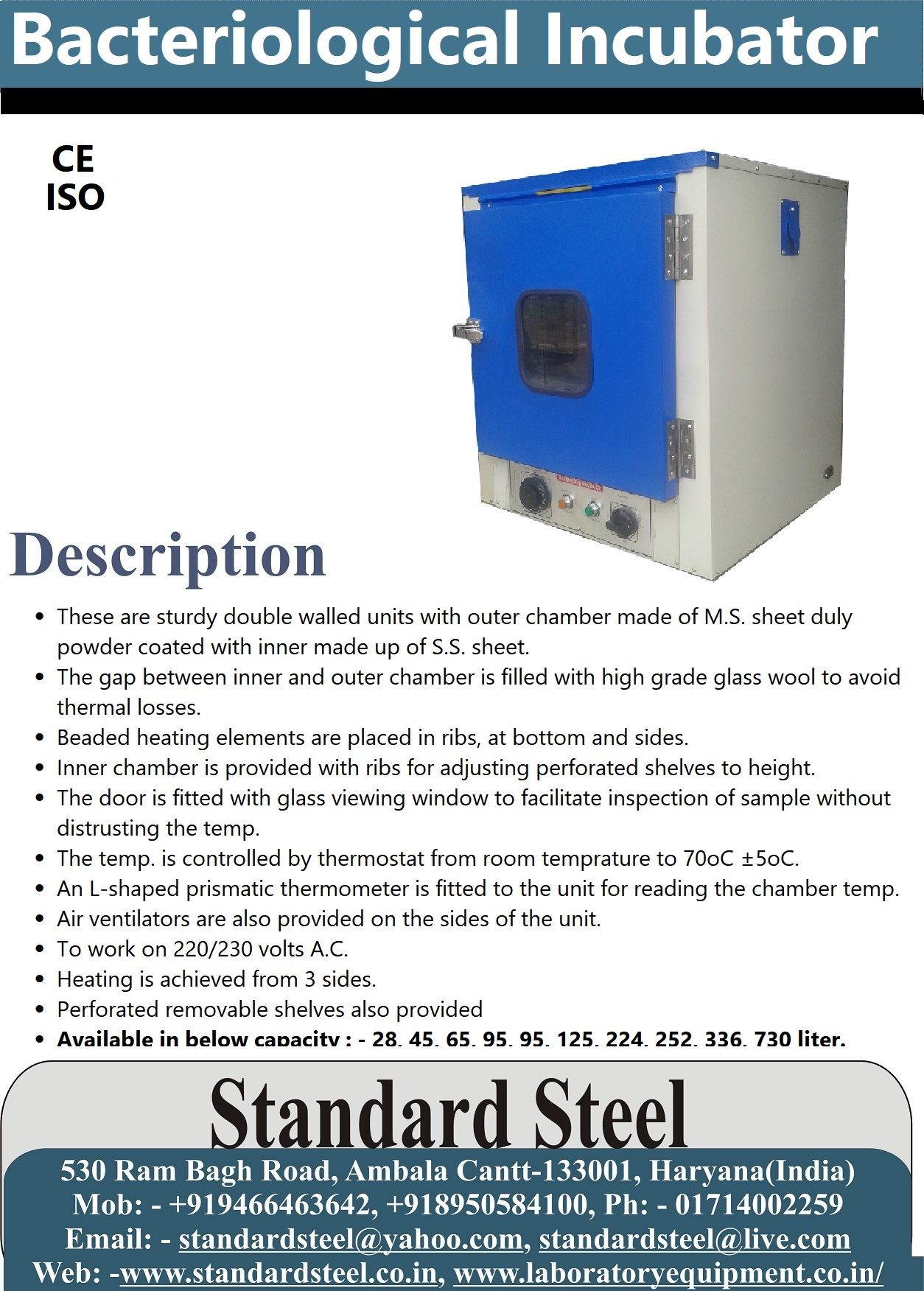
Standard double wall fabrication. Inner chamber made out of richly anodized aluminium or highly polished stainless steel sheet and outer made out of thick mild steel sheet finished in white stoving enamel paint or mat finished pastle colour combinations. The gap is filled with special glass wool for temp. insulation. Double wall door with double window for observation in the chamber. Temperature range 5oC above ambient to 80oC + 2oC controlled by a thermostat. L- shaped thermometer is provided for taking temp. readings. Panel is provided with pilot lamps for mains & heaters, On-off switch, temp. Control knob etc. The equipment is workable on 220 V AC 50 Hz single pahse. Heating is achieved from 3 sides. Perforated removable shelves also provided
Bacteriological Incubator Available Models
300 x 300 x 300 mm, 28 litre
350 x 350 x 350 mm, 45 litre
400 x 400 x 400 mm, 65 litre
450 x 450 x 450 mm, 95 litre
600 x 450 x 450 mm, 125 litre
600 x 600 x 600 mm, 224 litre
900 x 600 x 450 mm, 252 litre
900 x 600 x 600 mm, 336 litre
900 x 900 x 900 mm, 730 litre
Reliable Temperature Precision
Utilizing a digital PID or thermostatic controller, this incubator delivers highly accurate temperature management for bacterial sample cultivation. The glass wool insulation and double-walled design ensure consistent internal temperature, minimizing fluctuations and enhancing experimental reliability. A digital or glass thermometer facilitates precise monitoring throughout the incubation process.
Ergonomic and Secure Design
The incubators thoughtful design includes a solid outer door and an interior glass door, allowing visual access without interior disruption. Adjustable shelves accommodate various sample sizes, while enhanced safety features such as a door lock, over-temperature limiter, and built-in fuse ensure secure and dependable operation in busy laboratory settings.
Versatile Laboratory Application
With its 90-liter chamber and 230V AC electric source, the incubator serves a wide range of needsfrom research institutions to diagnostic laboratories and educational environments. Its semi-automatic operation, robust material choices, and dry heat treatment capability make it suitable for distributors, exporters, suppliers, and manufacturers throughout India.
FAQs of Bacteriological Laboratory Incubator:
Q: How does the double-walled construction benefit the incubators performance?
A: The double-walled design, insulated with glass wool, helps maintain a stable and uniform temperature inside the chamber. This minimizes heat loss, improves energy efficiency, and ensures reliable conditions for incubating bacterial cultures.Q: What is the process for adjusting the shelves inside the incubator?
A: The incubator comes with 23 adjustable shelves, allowing users to reposition them easily based on sample height or quantity. Simply remove and place the shelves at desired levels using the provided support slots inside the chamber.Q: When should the over-temperature limiter be used?
A: The over-temperature limiter acts as a safety feature and does not require manual activation. It automatically engages to prevent the chamber from exceeding set temperature limits, protecting both samples and the equipment in case of controller malfunction.Q: Where is this bacteriological incubator best utilized?
A: This incubator is ideal for laboratory applications, whether in clinical, educational, research, or industrial environments across India. It is designed for those requiring controlled dry heat treatment and precise temperature management for bacteriological work.Q: How does the temperature control system ensure accuracy during incubation?
A: The incubator is equipped with either a thermostatic or digital PID controller, offering fine control with an accuracy of 0.5C. Users can monitor temperature via a digital or glass thermometer to maintain ideal conditions for sample growth.Q: What are the benefits of using the stainless steel inner chamber?
A: Stainless steel provides excellent corrosion resistance, making it easy to clean and sterilize. Its durability ensures a long service life and prevents contamination, which is crucial in maintaining a sterile laboratory environment.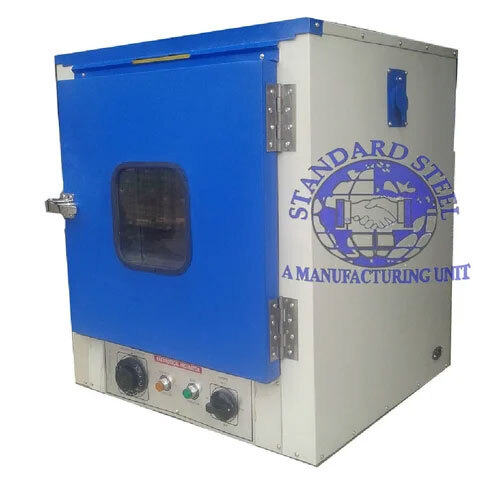
Tell us about your requirement

Price:
Quantity
Select Unit
- 50
- 100
- 200
- 250
- 500
- 1000+
Additional detail
Mobile number
Email

More Products in Blood Bank Equipment Category
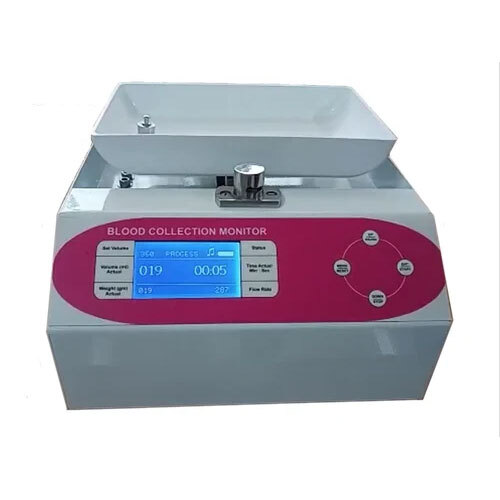
Blood Collection Monitor Shaker
Price 52000.0 INR
Minimum Order Quantity : 2
Suitable For : BCM Machine
Use : Blood collection scale
Product Type : Blood collection Monitor
Material : SS
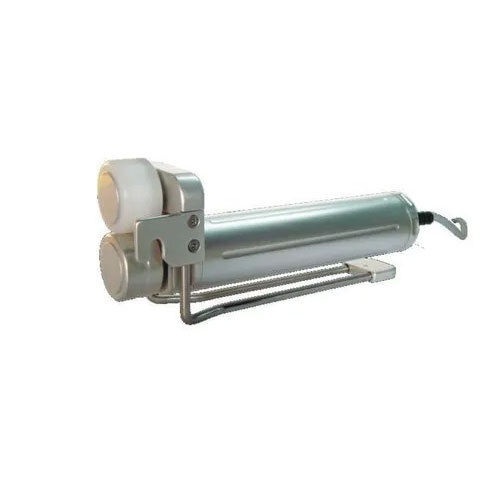
Blood Bag Tube Stripper Automatic
Price 65000.0 INR
Minimum Order Quantity : 1
Suitable For : Standard Steel Blood Bag Tube Stripper
Use : Standard Steel Blood Bag Tube Stripper
Product Type : Automatic Blood Bag Tube Stripper
Material : Steel
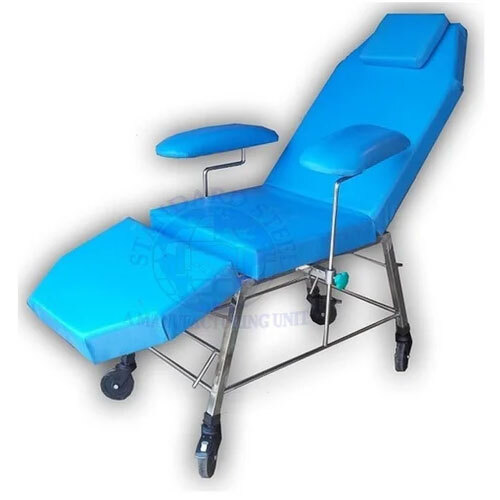
Blood Donor chair Couch
Price 12500.0 INR
Minimum Order Quantity : 1 Pieces
Suitable For : Clinical Blood donor chair
Use : Blood collection chair
Product Type : Blood donor chair
Material : Stainless steel
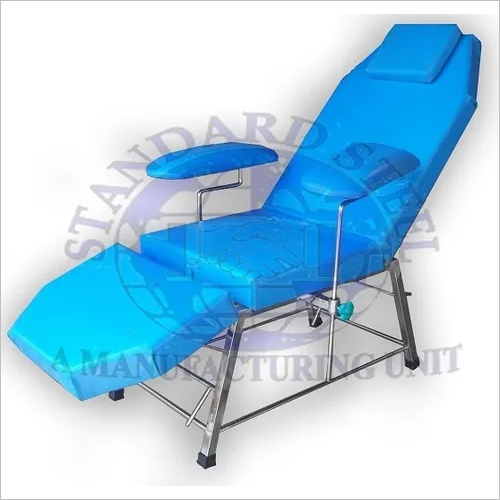
Blood Transfusion Chair
Price 12500.0 INR / Piece
Minimum Order Quantity : 1 Piece
Suitable For : blood collection
Use : for blood collection
Product Type : Steel blood transfusion chair
Material : stainless steel

 Send Inquiry

Our Products
- Hospital Furniture Manufacturer
- Hospital Beds
- Hospital Trolley
- Delivery Table
- Hospital Cabinet
- IV Stand
- Hospital Stretcher
- Revolving Stool
- Examination Couch
- Mortuary Equipment
- Laboratory Furniture
- Anatomical Models
- Pharmacy Equipment
- Operating Table
- Blood Bank Equipment
- Medical Scale
- Laboratory Glassware
- Laboratory Equipment
- Laboratory Instrument
- Operation Theater Light
- Microscope
- Scientific Instrument
- LED Operation Room Light
- Anatomy Equipment
- Muffle Furnace
- Laboratory Incubators
- Wheel Chairs
- Industrial Oven
- Hot Air Oven
- Laboratory Spectrometer
- Hospital Holloware
- Laboratory Clamp
- Laboratory Ware
- Hospital Delivery Bed
- Mortuary Equipment
- Histopathology Equipment
- Blood Bank


530, Ram Bagh Road, Ambala Cantt,Ambala Cantt - 133001, Haryana, India

Mr Sachin Dhiman
(Director )
Mobile :08071790689
 Send Inquiry
 Send SMS
 Call Me Free
Developed and Managed by Infocom Network Private Limited.


 English
 Spanish
 French
 German
 Italian
 Chinese (Simplified)
 Japanese
 Korean
 Arabic
 Portuguese