
हमें कॉल करें now :08071790689
 जांच भेजें
 जांच भेजें
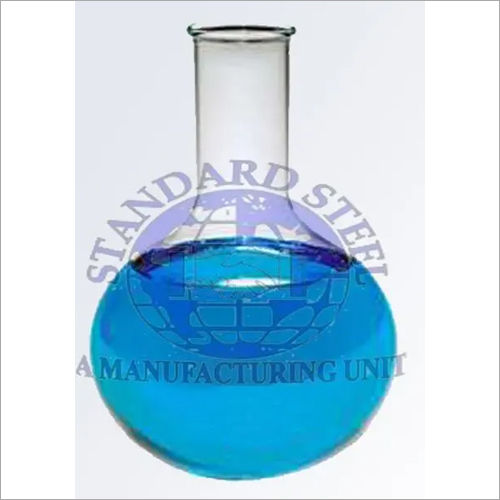
प्रयोगशाला फ्लास्क
Price 150.0 आईएनआर/ टुकड़ा
MOQ : 1 टुकड़ा
प्रयोगशाला फ्लास्क उत्पाद की विशेषताएं
- डिस्प्ले टाइप
- Graduated markings
- ग्लास टाइप
- Borosilicate
- शेप
- Conical / Erlenmeyer
- सटीकता
- ±5% (graduation accuracy)
- तापन क्षमता
- Resistant to direct flame and heating mantles
- तापमान प्रतिरोध
- Up to 400°C approx.
- कंट्रोल टाइप
- Manual handling
- टाइप करें
- आयाम (एल* डब्ल्यू* एच)
- Varies as per capacity (Typical sizes range from 50 mL to 1000 mL)
- उपकरण सामग्री
- Borosilicate Glass
- मटेरियल
- Glass
- एप्लीकेशन
- Mixing, heating, and storage of chemical solutions in laboratories
प्रयोगशाला फ्लास्क व्यापार सूचना
- न्यूनतम आदेश मात्रा
- 1 टुकड़ा
- आपूर्ति की क्षमता
- 1 प्रति दिन
- डिलीवरी का समय
- 15 दिन
Tell us about your requirement

Price: Â
Quantity
Select Unit
- 50
- 100
- 200
- 250
- 500
- 1000+
Additional detail
मोबाइल number
Email

अधिक Products in प्रयोगशाला कांच के बने पदार्थ Category
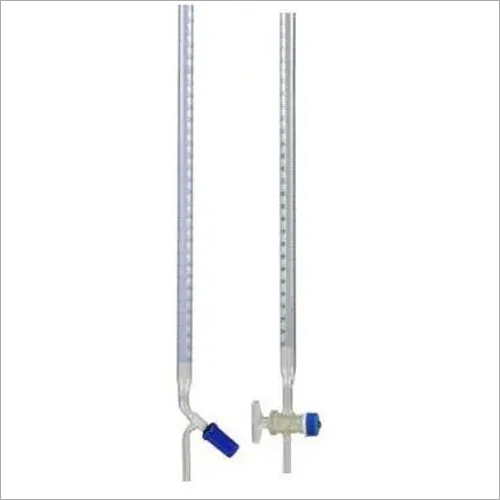
ग्लास ब्यूरेट
उपकरण सामग्री : Glass, PTFE (stopcock)
तापमान प्रतिरोध : Up to 200°C
टाइप करें : ,
ग्लास टाइप : Borosilicate Glass
विशेषताएँ : Clear gradation, chemical resistance, smooth delivery, easy to clean
मटेरियल : Borosilicate Glass
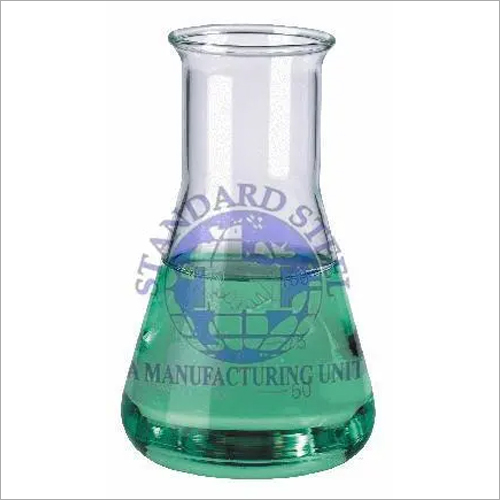
शंक्वाकार फ्लास्क
उपकरण सामग्री : Borosilicate Glass
तापमान प्रतिरोध : Up to 250°C (approximate, depends on manufacturer)
टाइप करें : ,
ग्लास टाइप : Borosilicate Glass
केजेल्डहल फ्लास्क
उपकरण सामग्री : Borosilicate glass
तापमान प्रतिरोध : Thermal shock resistant up to 500°C
टाइप करें : ,
ग्लास टाइप : Borosilicate glass
विशेषताएँ : Highly resistant to chemicals, clear graduation marks, uniform wall thickness for heat resistance
मटेरियल : Borosilicate glass
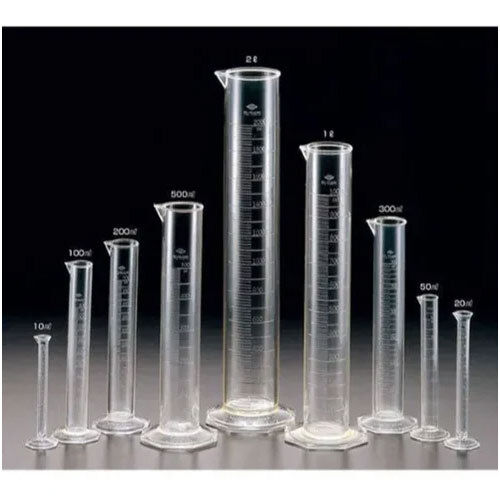
ग्लास मापने वाला सिलेंडर
उपकरण सामग्री : Glass
तापमान प्रतिरोध : High resistance to thermal shock
टाइप करें : ,
ग्लास टाइप : Borosilicate glass
विशेषताएँ : Graduated markings stable base
मटेरियल : Glass

 जांच भेजें

हमारे उत्पाद
- अस्पताल का फर्नीचर
- अस्पताल के बिस्तर
- अस्पताल ट्रॉली
- वितरण तालिका
- अस्पताल कैबिनेट
- चतुर्थ स्टैंड
- अस्पताल स्ट्रेचर
- घूमने वाला स्टूल
- परीक्षा सोफ़ा
- मुर्दाघर उपकरण
- प्रयोगशाला फर्नीचर
- शारीरिक मॉडल
- फार्मेसी उपकरण
- शाली चिकित्सा मेज़
- ब्लड बैंक उपकरण
- मेडिकल स्केल
- प्रयोगशाला कांच के बने पदार्थ
- प्रयोगशाला उपकरण
- प्रयोगशाला उपकरण
- ऑपरेशन थिएटर लाइट
- माइक्रोस्कोप
- वैज्ञानिक उपकरण
- एलईडी ऑपरेशन रूम लाइट
- शरीर रचना उपकरण
- मफल फर्नेस
- प्रयोगशाला इनक्यूबेटर
- व्हील चेयर
- औद्योगिक ओवन
- गर्म हवा ओवन
- प्रयोगशाला स्पेक्ट्रोमीटर
- अस्पताल होलोवेयर
- प्रयोगशाला दबाना
- प्रयोगशाला के बर्तन
- अस्पताल प्रसव बिस्तर
- मुर्दाघर उपकरण
- Medical Equipment
- Medical Equipment


530, राम बाग रोड, अम्बाला कैंट,अम्बाला कैंट - 133001, हरयाणा, भारत

श्री सचिन धीमान
(निदेशक)
मोबाइल :08071790689
 जांच भेजें
 एसएमएस भेजें
इन्फोकॉम नेटवर्क प्राइवेट लिमिटेड . द्वारा विकसित एवं प्रबंधित


 English
 Spanish
 French
 German
 Italian
 Chinese (Simplified)
 Japanese
 Korean
 Arabic
 Portuguese