
Call us now :08071790689
 Send Inquiry
 Send Inquiry
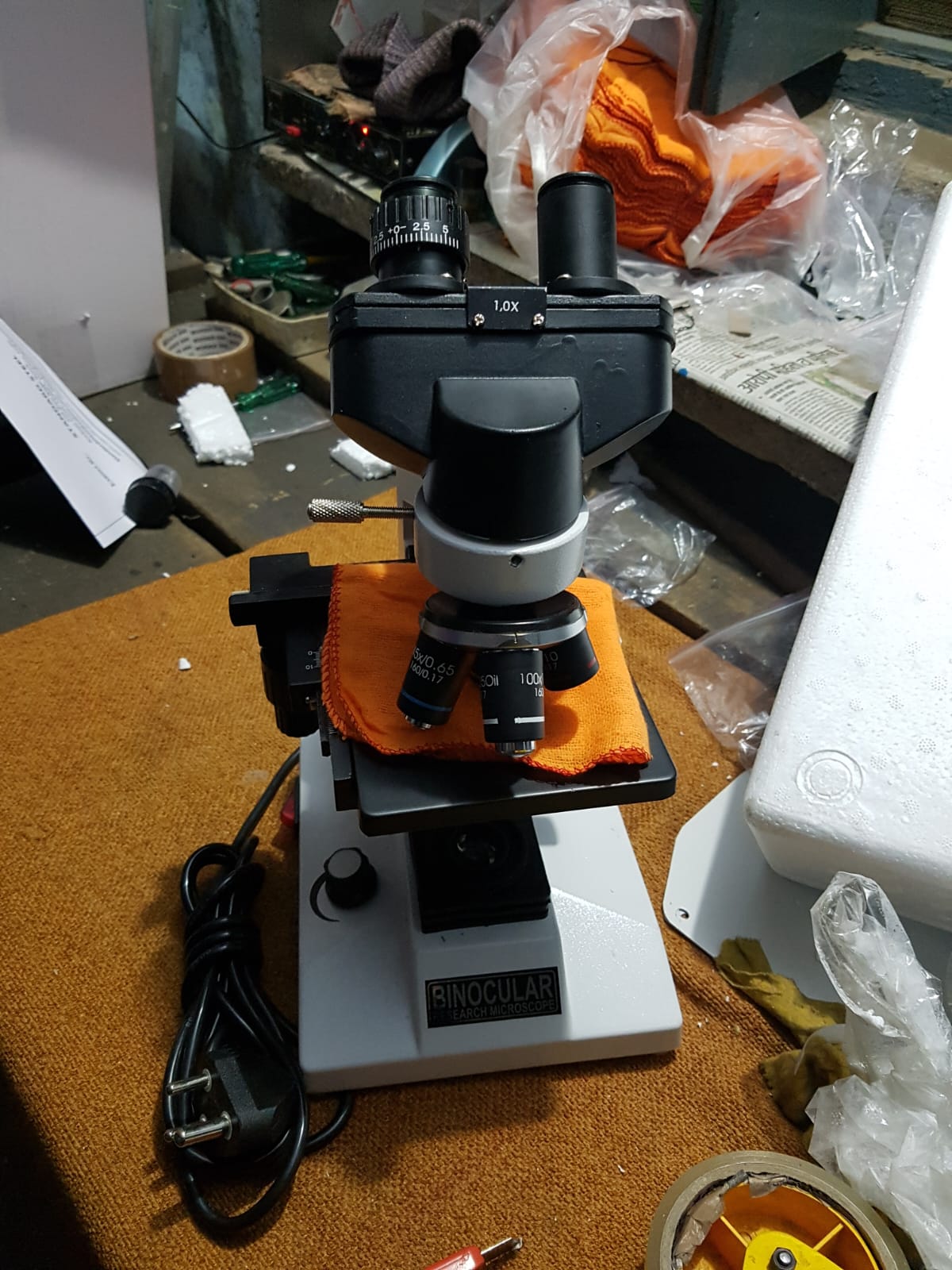
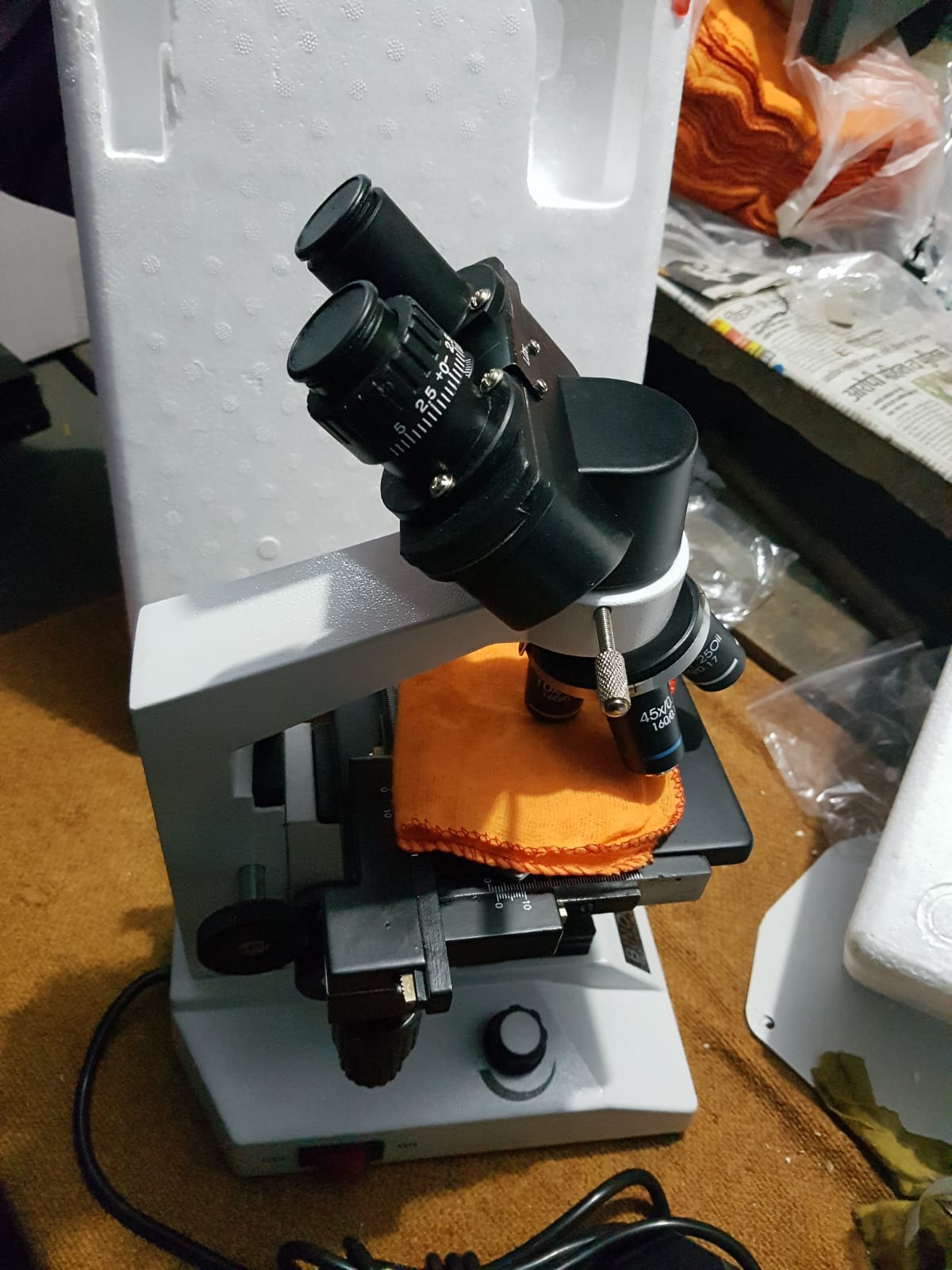
Binocular Research Microscope
MOQ : 1 Pieces
Binocular Research Microscope Specification
- Shape
- Upright
- Glass Type
- Achromatic Optics
- Power Supply
- AC Mains
- Display Type
- Eyepiece (Visual)
- Accuracy
- High
- Control Type
- Coarse & Fine Focusing
- Features
- Dust proof, Ergonomic design, Anti-Rust finish
- Type
- Binocular Research Microscope
- Dimension (L*W*H)
- 370 x 280 x 410 mm (Approx.)
- Equipment Type
- Research Microscope
- Equipment Materials
- High-strength metal body with powder coated finish
- Power
- 220V/110V AC
- Voltage
- 220V / 110V
- Material
- Metal and Optical Glass
- Application
- Biological, Research, Educational
- Illumination
- 6V/20W Halogen lamp with variable intensity control
- Finish
- Epoxy powder coated for chemical resistance
- Eyepiece Magnification
- Wide field 10x paired eyepiece with rubber eye guards
- Stage
- Mechanical double layer, size 135 x 120 mm with graduated movable range
- Focusing System
- Coarse and fine focusing using coaxial knobs
- Objective Lenses
- Achromatic 4x, 10x, 40x (SL), 100x (Oil) objectives
- Net Weight
- Approx. 7 kg
- Condenser
- Abbe condenser NA 1.25 with iris diaphragm and filter holder
- Nosepiece
- Quadruple revolving nosepiece with positive click stops
- Interpupillary Distance
- 55-75 mm adjustable
- Head Inclination
- 45 degrees inclined, 360 degrees rotatable
Binocular Research Microscope Trade Information
- Minimum Order Quantity
- 1 Pieces
- FOB Port
- exw
- Payment Terms
- Telegraphic Transfer (T/T)
- Supply Ability
- 1000 Per Month
- Delivery Time
- 15 Days
- Sample Available
- Yes
- Sample Policy
- Sample costs shipping and taxes has to be paid by the buyer
- Packaging Details
- Standard Packing
- Main Export Market(s)
- Asia
- Main Domestic Market
- All India
- Certifications
- ISO CE
Binocular Research Microscope About
Binocular Research Microscope
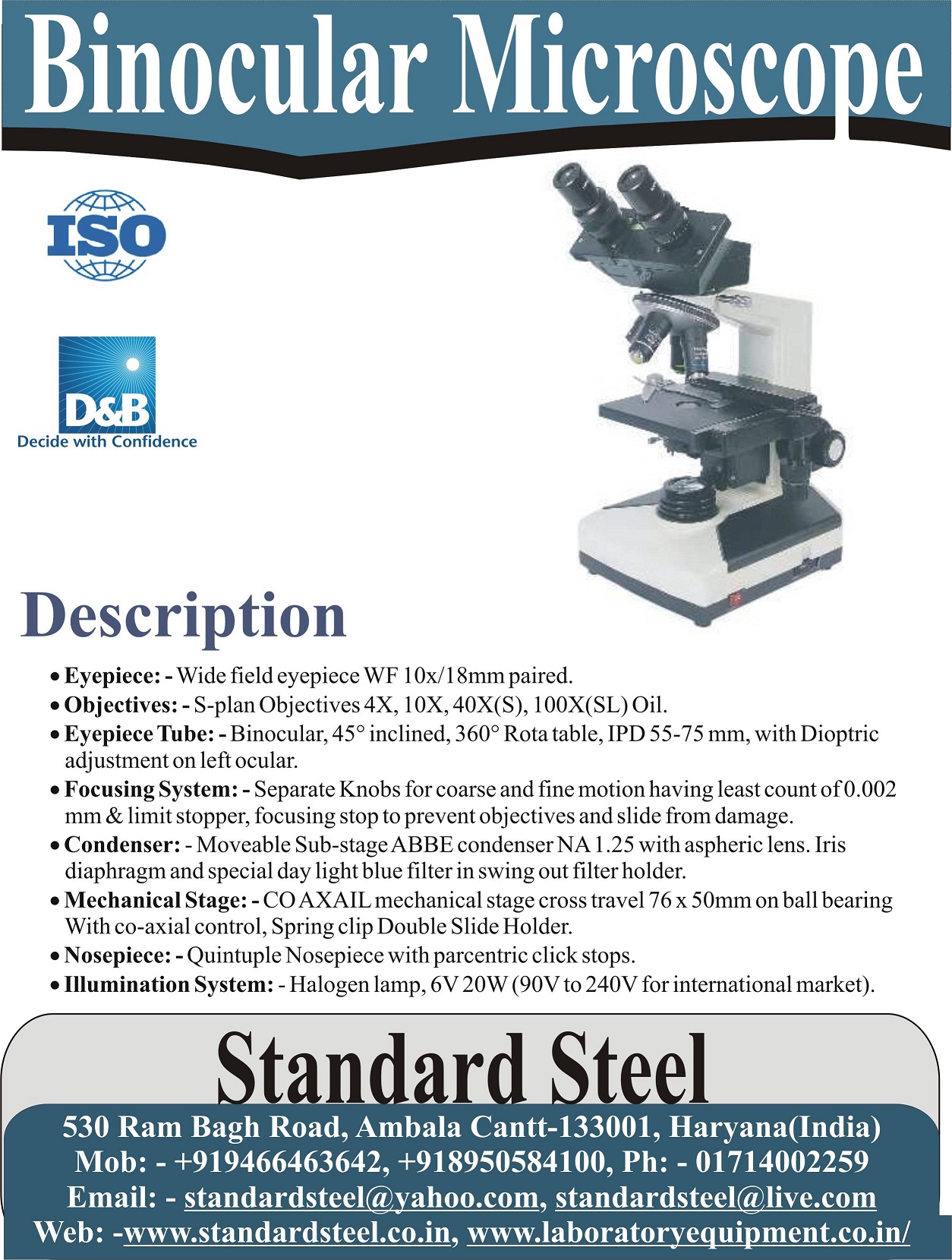
- For General Laboratories, Research Hospitals, Bacteriologic and Medical Work.
- High Quality perforated Optical Components.
- International Standards, Binocular Head Rotatable Through 360 C. Inclined at 45.
- Bright field abbe. N.A. 1.25 condenser with iris diaphragm.
- Fine adjustable 0-90 knobs for slow motion & highly sensitive fine motion.
- Built in Graduated, Co-axial Mechanical Stage of 130mmxl30mm mechanical stage traveling 30mmx75mm.
- Extra heavy nose piece of international threading.
- Built in base 6V-20W Halogen bulb with solid state transformer, variable light controlled transformer 220/110 Volts.
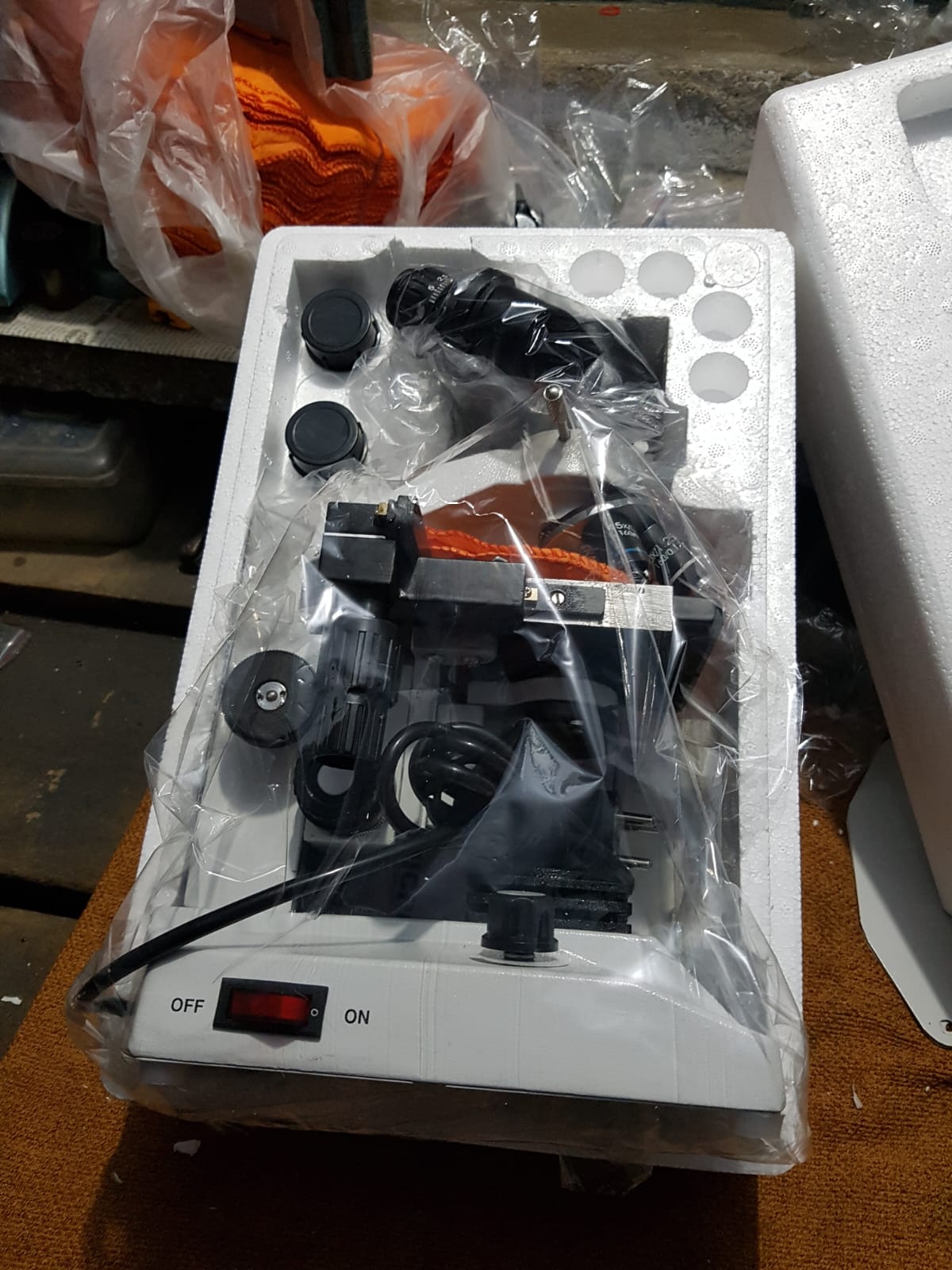
- Packing : Thermocol Box in Wooden Box with lock & key & cardboard
- Eye Piece: - W.F. 10x (Paired)
- Hy.5x (Paired)
- Objectives: - 4x, 10x, 40x
- 100xAGrade: - Magnification 40x, -1000x
Precision Optics for Accurate Research
Equipped with achromatic objectives (4x, 10x, 40x SL, and 100x oil) and wide field 10x eyepieces, this microscope offers clear, sharp images ideal for detailed analysis in biological and research studies. Its prism-based, rotatable binocular head allows effortless viewing for extended periods.
User-Friendly Features and Robust Design
The ergonomic 45-degree inclined, 360-degree rotatable binocular head, adjustable interpupillary distance (55-75 mm), and dust-proof, anti-rust construction ensure comfort, longevity, and reliability during daily use. The mechanical stage with precise graduated movement assures accurate sample positioning.
Superior Illumination and Focusing
With a 6V/20W halogen lamp, variable intensity, and Abbe condenser (NA 1.25), illumination is clear and well-controlled. The coaxial coarse and fine focusing system provides precise control, essential for high-accuracy observations at all magnifications.
FAQs of Binocular Research Microscope:
Q: How does the mechanical double-layer stage enhance specimen observation?
A: The mechanical double-layer stage allows smooth, precise movement of slides using graduated controls, ensuring accurate positioning and repeatable measurements during biological or research analysis.Q: What is the advantage of using achromatic objectives in this microscope?
A: Achromatic objectives correct color and spherical aberrations, delivering sharper and more accurate images. This is crucial for reliable and detailed observations in scientific and educational settings.Q: When should the oil immersion objective (100x) be used?
A: The 100x oil immersion objective should be used when extremely high magnification and resolution are necessary, typically for observing bacteria or very fine cell structures. Always use immersion oil and clean both the lens and slide afterward.Q: Where is this binocular research microscope commonly utilized?
A: This microscope is widely used in biological laboratories, research institutions, and educational settings, thanks to its robust design, versatility, and high optical precision for scientific investigations.Q: What process is followed to adjust focus on specimens?
A: Begin with coarse focusing to locate the sample at low magnification, then use fine focusing for sharpness and detail. The coaxial knobs make this transition seamless and accurate.Q: How does variable illumination benefit microscope usage?
A: Variable intensity control on the 6V/20W halogen lamp allows users to adjust lighting to suit specific sample types, enhancing detail visibility and reducing eye strain during extended observations.Q: What are the key benefits of an epoxy powder-coated finish?
A: The epoxy powder-coated body provides chemical resistance and anti-rust protection, ensuring durability and long-term professional appearance even with frequent use in challenging laboratory environments.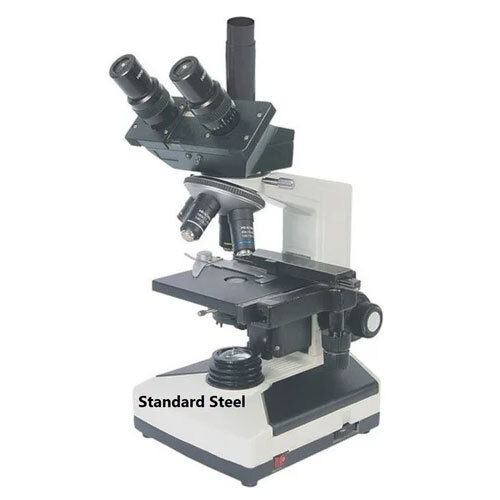
Tell us about your requirement

Price:
Quantity
Select Unit
- 50
- 100
- 200
- 250
- 500
- 1000+
Additional detail
Mobile number
Email

More Products in Laboratory Equipment Category
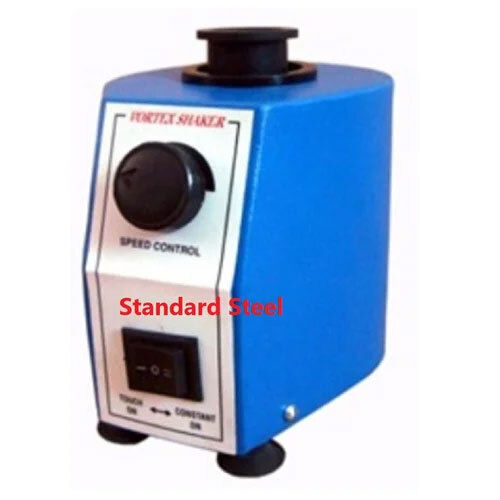
Laboratories Vortex Shaker
Price 3000.0 INR
Minimum Order Quantity : 1 Pieces
Equipment Materials : Robust ABS body
Material : ABS plastic, highgrade rubber for top cup
Voltage : 220 V / 5060 Hz
Application : Mixing liquids in test tubes, vials, and small containers
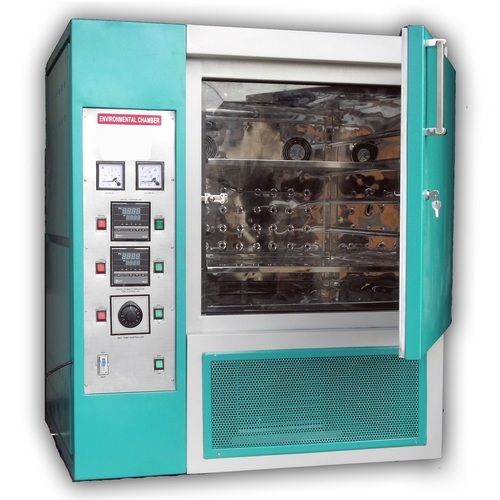
Environmental Cum Humidity Test Chamber
Minimum Order Quantity : 1 , , Piece
Equipment Materials : Mild Steel with Powder Coated Finish
Material : Stainless Steel (Inner Chamber), Mild Steel (Outer Chamber)
Voltage : 220/230V AC, 50Hz
Application : Material Testing, Accelerated Ageing, Electronics & Aerospace Testing
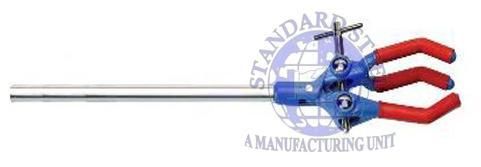
Laboratory Three Prong Clamp
Price 165.0 INR / Piece
Minimum Order Quantity : 1 Piece
Equipment Materials : aluminium die casting
Material : aluminium die casting
Application : LAB
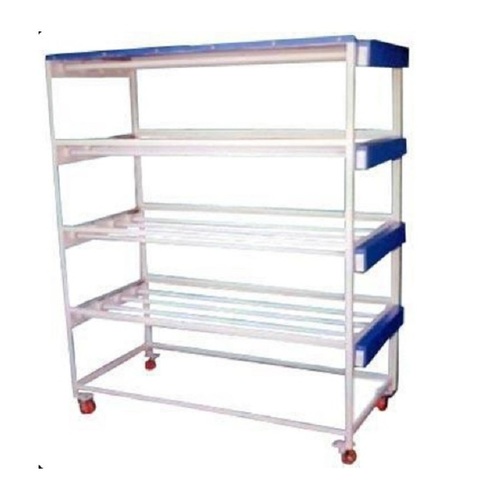
Tissue Culture Rack
Price 25000.0 INR
Minimum Order Quantity : 1 Piece
Equipment Materials : steel
Material : steel
Voltage : 220 Watt (w)
Application : lab

 Send Inquiry

Our Products
- Hospital Furniture Manufacturer
- Hospital Beds
- Hospital Trolley
- Delivery Table
- Hospital Cabinet
- IV Stand
- Hospital Stretcher
- Revolving Stool
- Examination Couch
- Mortuary Equipment
- Laboratory Furniture
- Anatomical Models
- Pharmacy Equipment
- Operating Table
- Blood Bank Equipment
- Medical Scale
- Laboratory Glassware
- Laboratory Equipment
- Laboratory Instrument
- Operation Theater Light
- Microscope
- Scientific Instrument
- LED Operation Room Light
- Anatomy Equipment
- Muffle Furnace
- Laboratory Incubators
- Wheel Chairs
- Industrial Oven
- Hot Air Oven
- Laboratory Spectrometer
- Hospital Holloware
- Laboratory Clamp
- Laboratory Ware
- Hospital Delivery Bed
- Mortuary Equipment
- Histopathology Equipment
- Blood Bank


530, Ram Bagh Road, Ambala Cantt,Ambala Cantt - 133001, Haryana, India

Mr Sachin Dhiman
(Director )
Mobile :08071790689
 Send Inquiry
 Send SMS
 Call Me Free
Developed and Managed by Infocom Network Private Limited.


 English
 Spanish
 French
 German
 Italian
 Chinese (Simplified)
 Japanese
 Korean
 Arabic
 Portuguese