
Call us now :08071790689
 Send Inquiry
 Send Inquiry
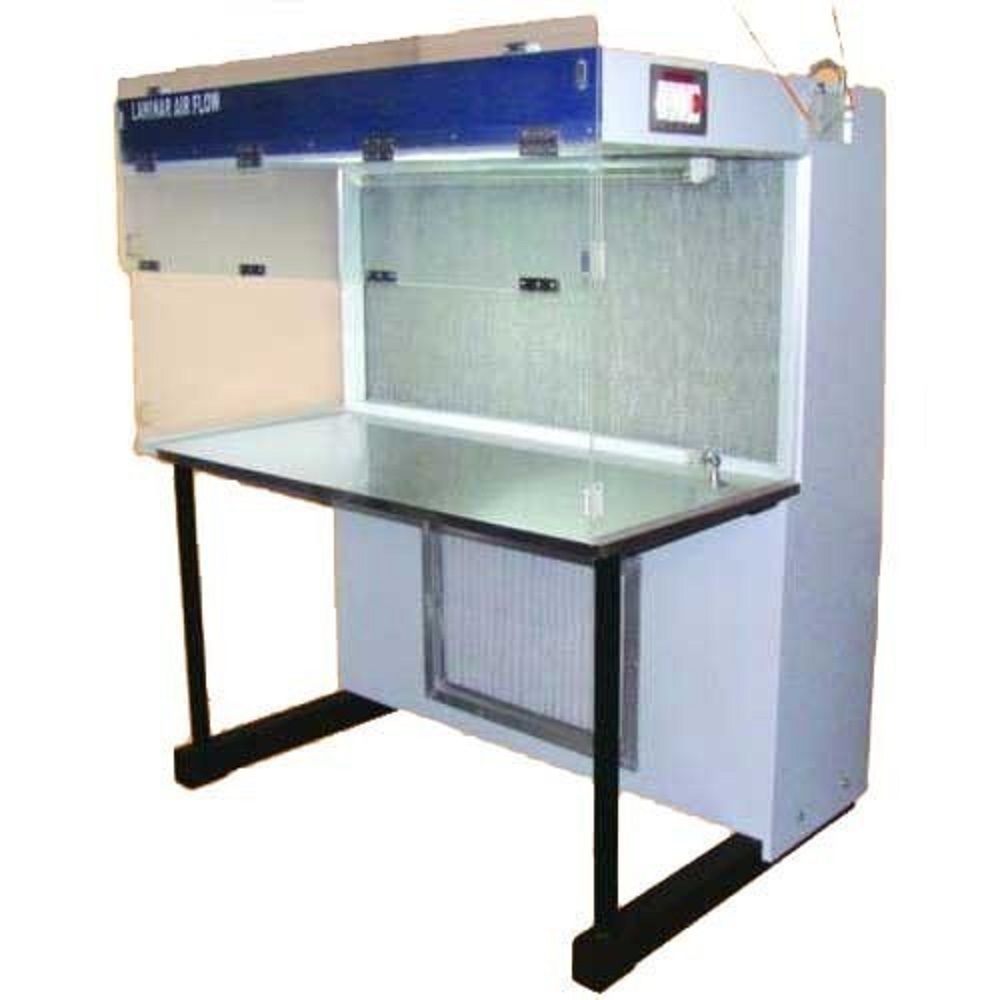
Vertical Laminar Air Flow Cabinet
MOQ : 1 Pieces
Vertical Laminar Air Flow Cabinet Specification
- Control Type
- Toggle switch / Membrane touch panel (varies by model)
- Power Supply
- Single Phase
- Shape
- Rectangular
- Features
- Pre-filter and HEPA filter, UV lamp, low noise operation, energy efficient
- Temperature Resistance
- Up to 50C
- Glass Type
- Transparent acrylic front door panel
- Speed Range
- 0.3 - 0.5 m/s (Air Flow Velocity)
- Accuracy
- HEPA filter retention up to 99.97% of particles 0.3 micron
- Dimension (L*W*H)
- 1200 x 600 x 1800 mm
- Product Type
- Laminar Air flow
- Equipment Materials
- Powder coated steel body, Stainless Steel working table
- Power
- 220W
- Voltage
- 220-240V AC, 50/60Hz
- Material
- Standard Steel Laminar Air flow cabinet
- Application
- Laminar airflow Cabinet
- Warranty
- 1 year
- Color
- White/Blue (Standard)
- HEPA Filter
- High efficiency particulate air filter, 99.97% @ 0.3 m
- Noise Level
- 60 dB
- Mobility
- Caster wheels for easy movement
- Illumination
- LED / Fluorescent lamp for working area
- Work Surface Height
- Approximately 750 to 850 mm from floor
- Static Pressure Manometer
- Fitted (varies by model)
- Cleanliness Class
- Class 100 (ISO 5)
- Pre-filter
- Washable synthetic fiber media
- Front Door Mechanism
- Manual/Automatic sliding (varies by model)
- Side Panels
- Transparent acrylic
Vertical Laminar Air Flow Cabinet Trade Information
- Minimum Order Quantity
- 1 Pieces
- FOB Port
- exw
- Payment Terms
- Telegraphic Transfer (T/T)
- Supply Ability
- 100 Per Month
- Delivery Time
- 15 Days
- Sample Available
- Yes
- Sample Policy
- Sample costs shipping and taxes has to be paid by the buyer
- Packaging Details
- Standard Packing
- Main Export Market(s)
- Asia
- Main Domestic Market
- All India
- Certifications
- ISO CE
Vertical Laminar Air Flow Cabinet About
Horizontal Laminar Air flow
Brand :- Standard Steel
Technical specification
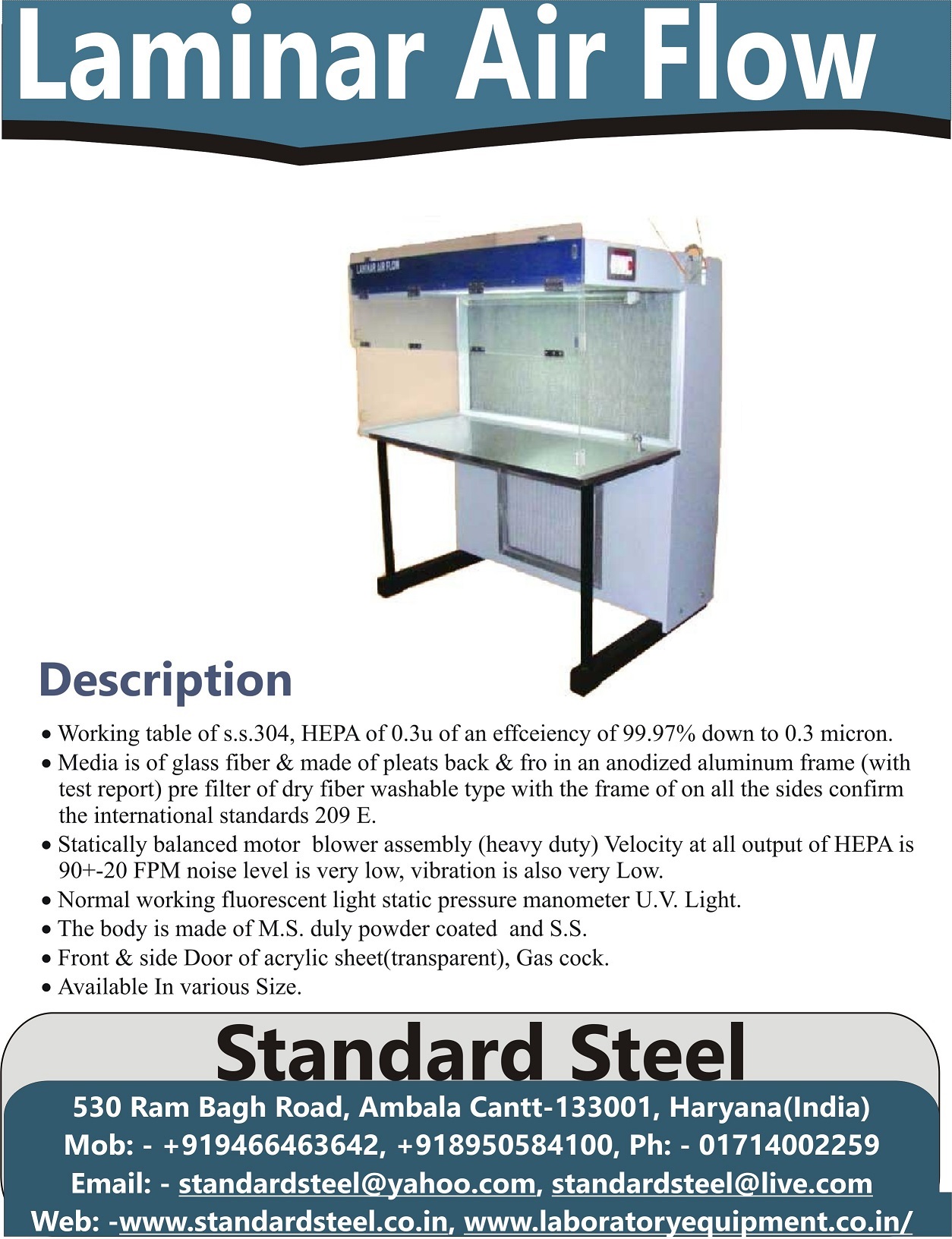
- Working table of s.s.304, HEPA of 0.3u of an effceiency of 99.97% down to 0.3 micron.
- Media is of glass fiber & made of pleats back & fro in an anodized aluminum frame (with test report) pre filter of dry fiber washable type with the frame of on all the sides confirm the international standards 209 E.
- statically balanced motor blower assembly (heavy duty) Velocity at all output of HEPA is 90+-20 FPM noise level is very low, vibration is also very low.
- Normal working fluorescent light static pressure manometer U.V. light.
- The body is made of laminated board duly satin finished wherever necessary/M.S. duly powder coated/S.S. body.
- Front & side Door of acrylic sheet(transparent), Gas cock.
Working size:-
- Laminar Air flow , size 2` x 2` x 2`
- Laminar Air flow , size 3` x 2` x 2`
- Laminar Air flow , size 4` x 2` x 2`
- Laminar Air flow , size 6` x 2` x 2`
Superior Air Purity for Sensitive Operations
Engineered to deliver Class 100 (ISO 5) cleanliness, the cabinet features a dual-filtration system with a HEPA filter and washable pre-filter. This combination effectively eliminates airborne contaminants, ensuring a particle-free environment for your most sensitive procedures.
Flexible, Efficient, and Ergonomically Designed
With adjustable work surface heights (750850 mm) and a robust stainless steel table, comfort meets practicality. The transparent acrylic panels provide clear visibility, while the caster wheels guarantee easy repositioning as necessary in laboratory settings.
Innovative Features and Reliable Construction
This vertical laminar air flow cabinet integrates energy-efficient lighting, UV safety options, and quiet operation, with each model offering either toggle or membrane touch controls. Built from quality powder-coated steel, it withstands daily use and resists temperatures up to 50C.
FAQs of Vertical Laminar Air Flow Cabinet:
Q: How does the Vertical Laminar Air Flow Cabinet achieve ISO 5 (Class 100) cleanliness?
A: The cabinet utilizes a high efficiency HEPA filter that retains 99.97% of airborne particles 0.3 m and a pre-filter with washable synthetic fiber media. Together, they maintain a contaminant-free environment that complies with ISO 5 standards.Q: What types of lighting and door mechanisms are available for the cabinet?
A: Depending on the model, the working area is illuminated with either energy-efficient LED or fluorescent lamps. The front door mechanism also varies; you can choose between manual or automatic sliding acrylic doors to suit your workflow preferences.Q: When should the pre-filter and HEPA filter be replaced or maintained?
A: The washable pre-filter should be cleaned regularly, depending on usage frequency and environment. HEPA filters generally require replacement every 612 months or when the static pressure manometer (if equipped) indicates increased resistance, ensuring optimal filtration.Q: Where is this laminar air flow cabinet typically installed and used?
A: These cabinets are widely used in research laboratories, pharmaceutical manufacturing, electronics assembly, and healthcare facilities across India and internationallyanywhere a contaminant-free workspace is critical.Q: What is the process for moving or relocating the cabinet within a facility?
A: The unit is equipped with caster wheels, allowing effortless relocation. Ensure all equipment is removed from the interior and power is disconnected before moving the cabinet to prevent damage or electric hazards.Q: How does the cabinet control airborne contamination during use?
A: The vertical laminar air flow directs filtered air uniformly across the workspace, continuously sweeping away particles and providing a sterile zone. Integrated UV lamps (where included) offer additional decontamination between uses.Q: What are the primary benefits of using this vertical laminar air flow cabinet?
A: Users benefit from ISO 5 level air cleanliness, low noise operation, robust construction, energy efficiency, flexible control interfaces, and straightforward maintenance. These features promote safety, protect samples, and support high-quality research or production workflows.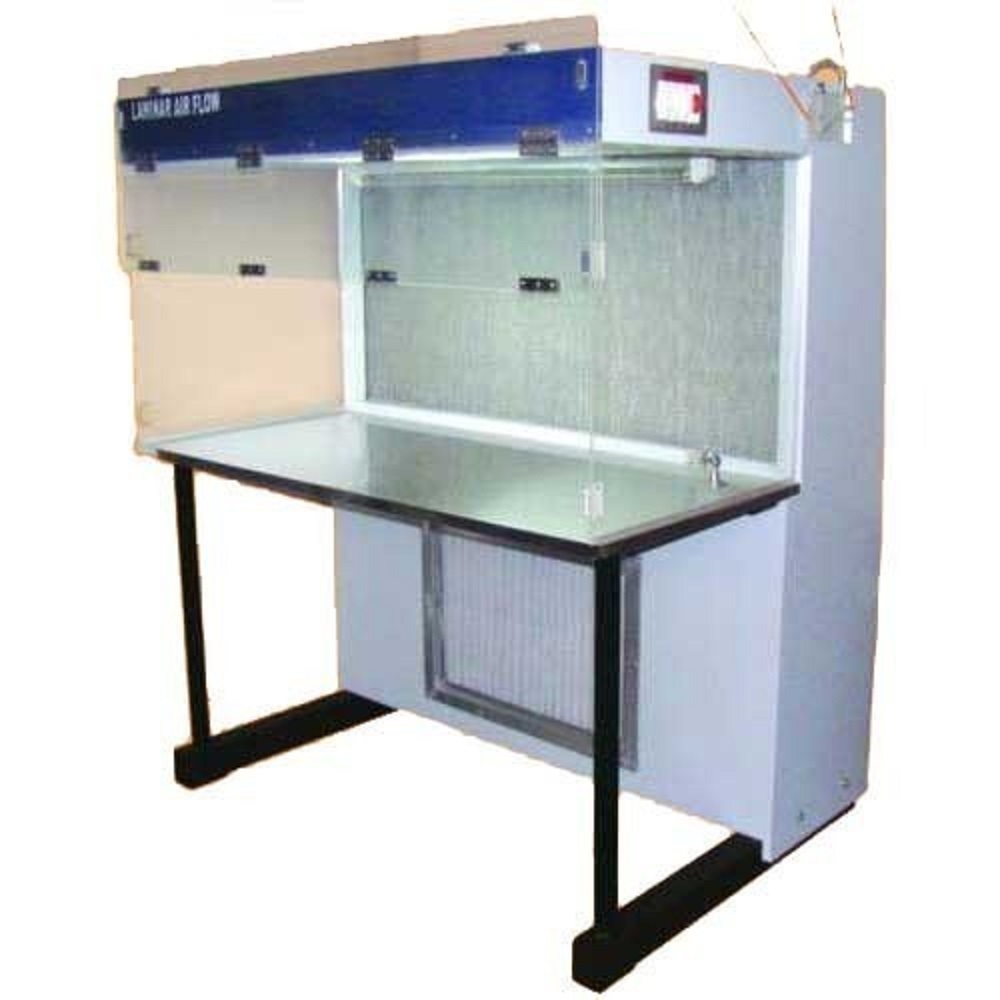
Tell us about your requirement

Price:
Quantity
Select Unit
- 50
- 100
- 200
- 250
- 500
- 1000+
Additional detail
Mobile number
Email

More Products in Laboratory Equipment Category
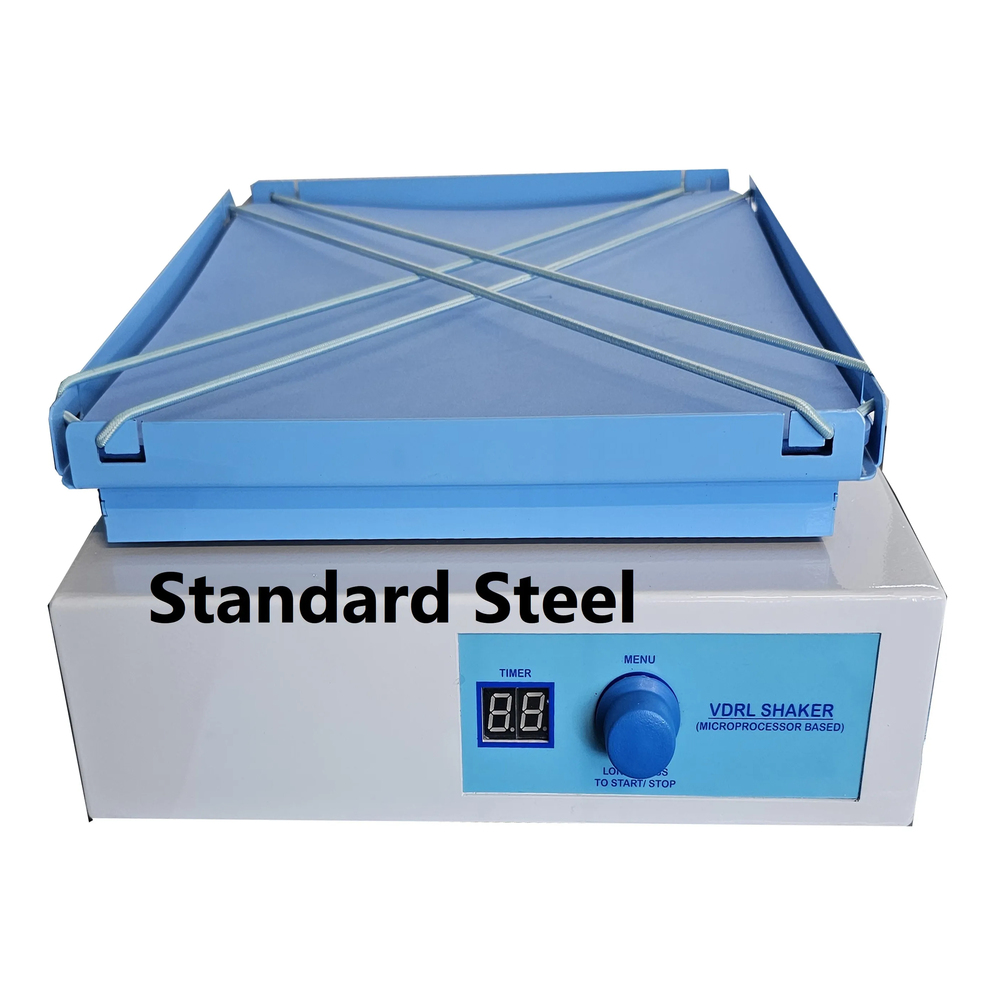
Laboratory VDRL Flask Rotator Shaker
Price 6500.0 INR / Piece
Minimum Order Quantity : 1 Piece
Equipment Materials : Mild Steel Body with Powder Coated Finish
Application : Flasking shaker
Material : Mild Steel
Type : Other, Rotator Shaker
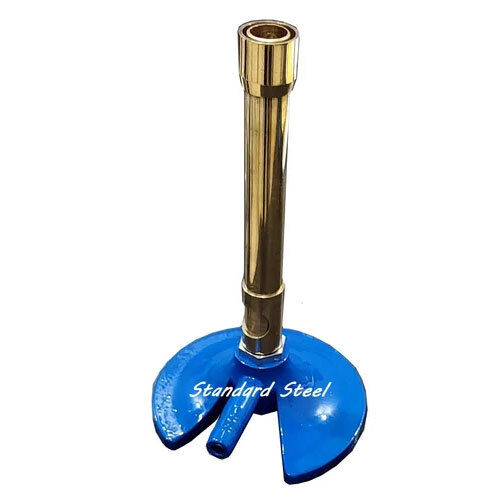
Chemistry Lab Bunsen Burner Brass Tube
Price 550.0 INR
Minimum Order Quantity : 1 Pieces
Equipment Materials : Brass Tube, Cast Iron Base
Application : Laboratory Heating and Sterilization
Material : Brass (Tube), Cast Iron (Base)
Type : Other, Bunsen Burner
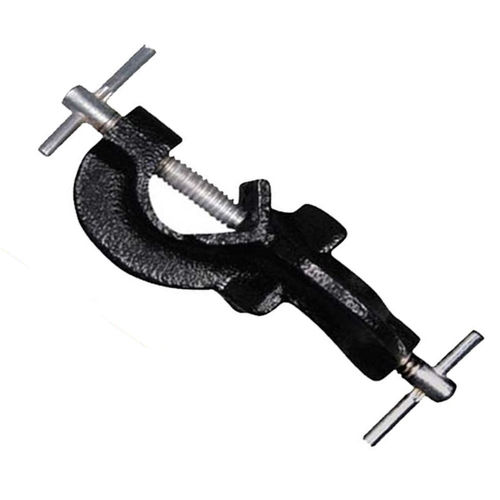
Laboratory Boss Head
Price 45.0 INR / Piece
Minimum Order Quantity : 1 Piece
Equipment Materials : aluminium die casting
Application : LAB
Material : aluminium die casting
Type : Other, Laboratory Boss Head
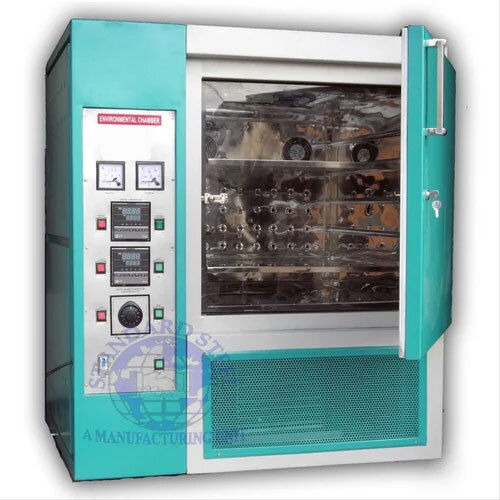
Humidity Environmental Chamber
Price 145000.0 INR / Piece
Minimum Order Quantity : 1 Piece
Equipment Materials : Stainless Steel & Powder Coated Mild Steel
Application : Testing and research under controlled temperature and humidity
Material : Stainless Steel
Type : Other, Humidity Environmental Chamber

 Send Inquiry

Our Products
- Hospital Furniture Manufacturer
- Hospital Beds
- Hospital Trolley
- Delivery Table
- Hospital Cabinet
- IV Stand
- Hospital Stretcher
- Revolving Stool
- Examination Couch
- Mortuary Equipment
- Laboratory Furniture
- Anatomical Models
- Pharmacy Equipment
- Operating Table
- Blood Bank Equipment
- Medical Scale
- Laboratory Glassware
- Laboratory Equipment
- Laboratory Instrument
- Operation Theater Light
- Microscope
- Scientific Instrument
- LED Operation Room Light
- Anatomy Equipment
- Muffle Furnace
- Laboratory Incubators
- Wheel Chairs
- Industrial Oven
- Hot Air Oven
- Laboratory Spectrometer
- Hospital Holloware
- Laboratory Clamp
- Laboratory Ware
- Hospital Delivery Bed
- Mortuary Equipment
- Histopathology Equipment
- Blood Bank


530, Ram Bagh Road, Ambala Cantt,Ambala Cantt - 133001, Haryana, India

Mr Sachin Dhiman
(Director )
Mobile :08071790689
 Send Inquiry
 Send SMS
Developed and Managed by Infocom Network Private Limited.


 English
 Spanish
 French
 German
 Italian
 Chinese (Simplified)
 Japanese
 Korean
 Arabic
 Portuguese